Psychosocial support, 4 social workers. Currently, individual plans for the elderly are drawn up together with the elderly and the responsible social worker. Each social worker has a group of 27 elderly people in care. The work of each social worker consists of:
Care for the elderly in cases of daily absences
• Family verification to assess socio-economic conditions
• Organizing meetings with groups of elderly people with the aim of recognizing the problems. The problems encountered have been followed up and the results achieved have been recorded in each individual plan.
• Referral of special cases to a doctor or nurse
• Monitoring during the preparation and serving of food for the elderly
• Group discussions with the elderly on various issues
Medical service, 1 nurse and 1 part-time doctor. During this period, all elderly people have received medical services. All cases of medical assistance are recorded in the medical service register and each elderly person is provided with a personal medical record. This service includes:
Medical visits, discussions on various health topics
TA measurement
Injections
Medication
Food (tea and lunch) 1 cook, 1 cook assistant. The elderly have benefited from 100% of their food fund. The elderly are offered coffee or tea for breakfast and lunch. Lunch is prepared based on the weekly menu which is displayed at the beginning of each week. When preparing the menu, the doctor's suggestions and the opinions of the elderly are taken into account. These meals are taken according to the schedule set by the Center: breakfast at 10:00-10:30 and lunch 12:00-13:30.
Sanitary service The Center has a good level of space, equipment, and opportunities to offer services. The Center's environment is functional with lights, running water, and even heating for the elderly. 2 nurses take care of the Center's hygiene.
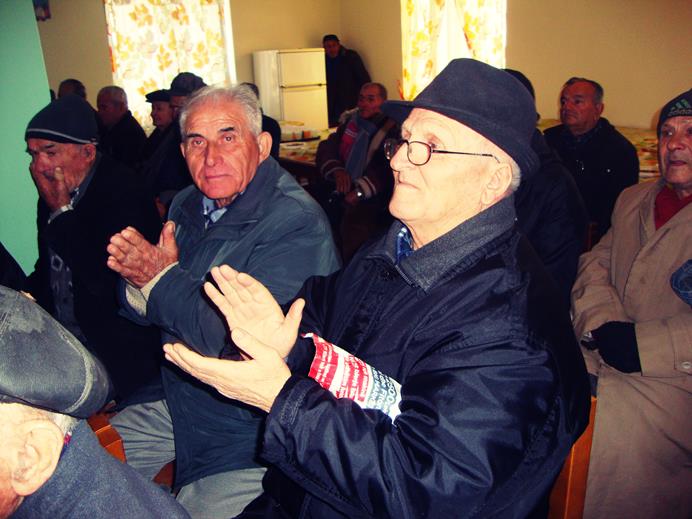
Social-cultural activity inside and outside the institution. An appropriate lifestyle, inclusion in family and society, a supportive environment for an older age, all these maintain well-being. QDM policies aim to reduce social inequalities and poverty, are essential for completing the individual's support towards active aging. The design of intergenerational programs and community activities that enable close cooperation and equal participation between the younger generation and the elderly is one of the goals of our center.
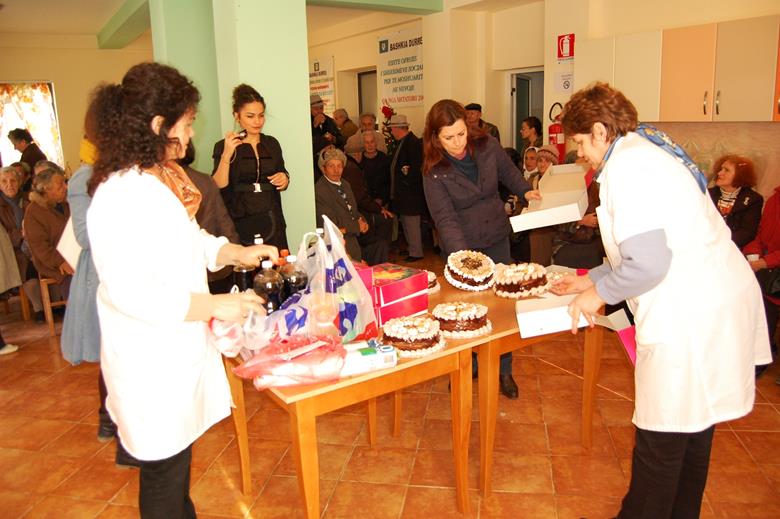
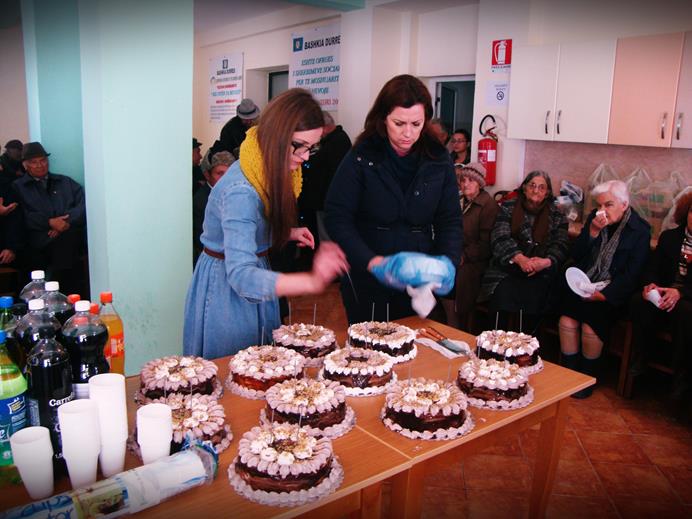
During the year, many social and cultural activities were held according to a predetermined calendar. All official and religious holidays were celebrated, such as: March 8, Summer Day, Eid al-Fitr, Easter, October 1, International Day of the Elderly, November 28-29, Christmas and New Year.
For these holidays, the following events have been organized: nature walks, concerts with school students, distribution of food packages, lunch at the bar, domino and backgammon championships, and exhibitions of works by the elderly.
Even during 2013, the supplies of materials necessary for carrying out daily activities have been successfully carried out. These supplies have been carried out according to the plans drawn up at the beginning of the year.
Elderly care
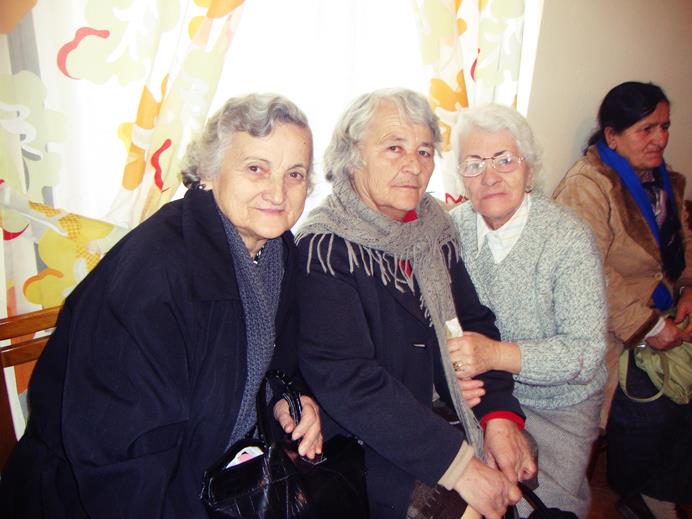
This seemingly marginalized category has always been the focus of the Municipality's social programs. Since 2002, initially in cooperation with the World Bank and then with the full financing of the Municipality, the Day Center for the Elderly has begun operating. It aims to provide social services to lonely elderly people and those with social problems.
The capacity of this center is 110 elderly people.
This center offers free of charge to its beneficiaries:
• Psycho-social service
• Health service
• Meals (2 meals a day)
• Information center
• Cultural, psycho-social activities
Although the number of beneficiaries is the same, the investments and expenses of this center are increasing, which has enabled the achievement of optimal standards and the fulfillment of the social needs of this target group.